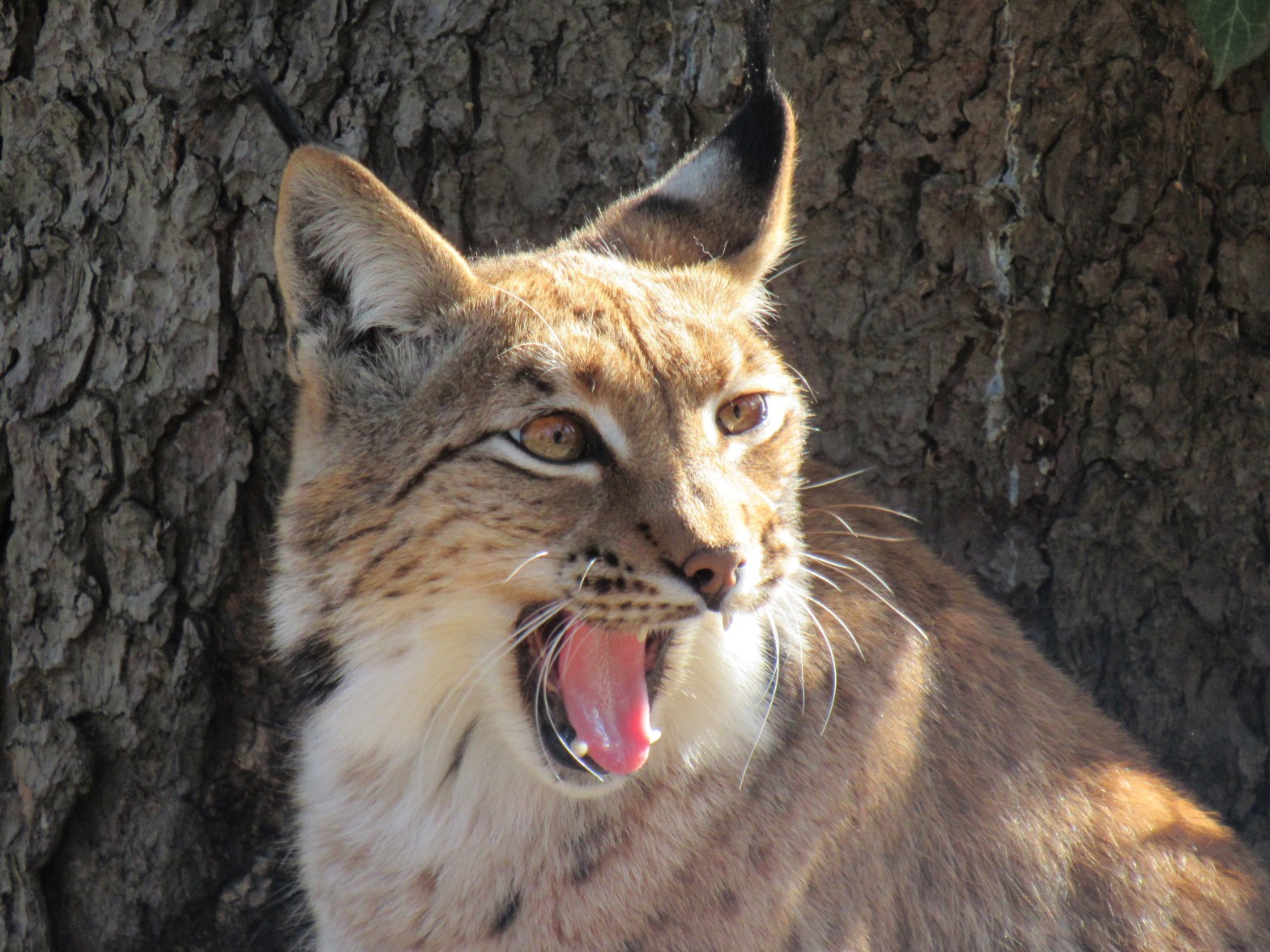
Check out these tips from ecologist, Aurora Hood, on how she takes her wildlife photography. She currently uses a Cannon PowerShot SX530 HS, but will also occasionally use her Samsung Galaxy S10 for shots that don’t require any high-quality zooming.
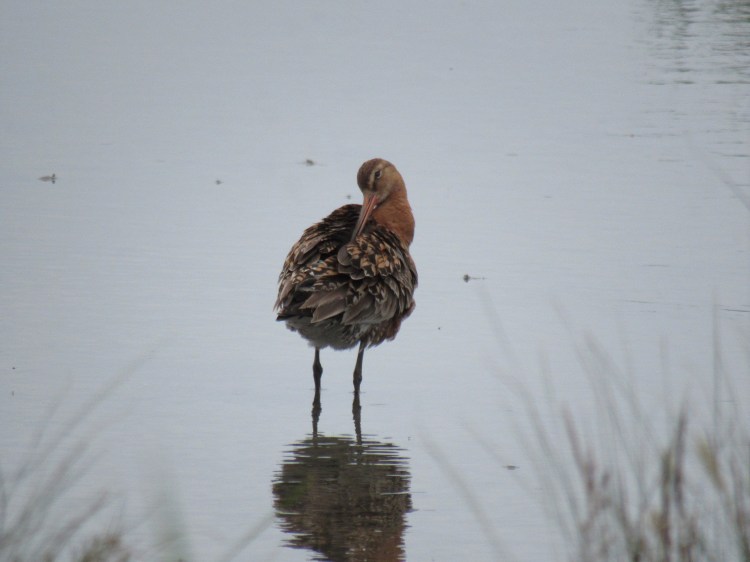
1) Always bring your camera
For this photo, I was out for a walk at a salt-marsh when we happened to duck into a bird hide to rest and have a snack. While we were there, all of the waders outside slowly made their way over to our side of the water. I was able to get several photos of this cutie preening as I ate a sandwich. ALWAYS bring your camera along, even if you don’t expect to take any photos.

2) Always take multiple shots of the same photo
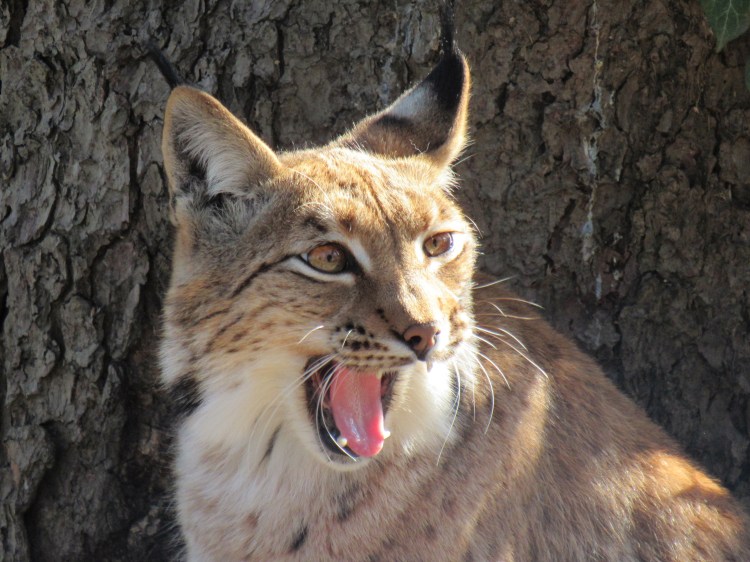
A big difference between wildlife photography and other forms of photography is that you are totally at the mercy of nature. You never know when the lighting will change, your subject will move, etc., so it’s better to hedge your bets the best you can. You never know what sort of photo you might get by taking a few extra shots. In this photo (out of about 48 total, I may add), I was able to capture the full height of this little guy’s song, mostly by just taking lots of photos as fast as possible. Sometimes quantity can go far to increase your quality!
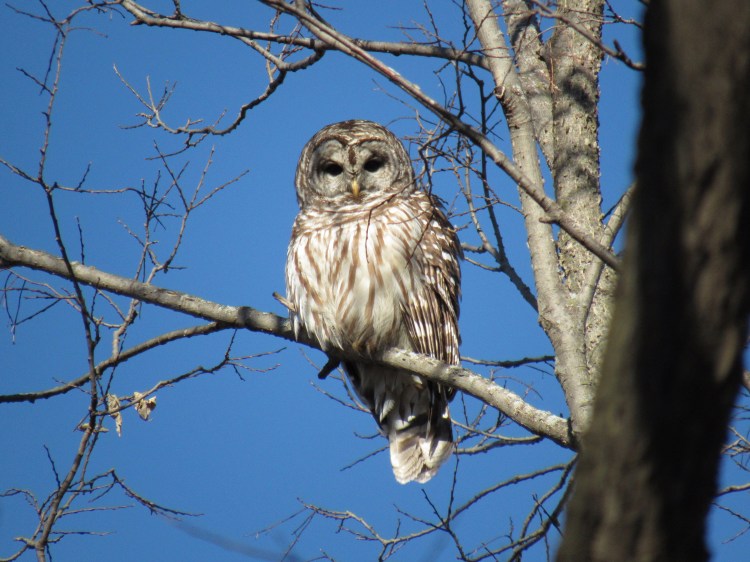
3) Do some research… but bring your luck too
For example, if you want photos of deer, going out at dawn or dusk will give you the best chance at seeing them at their most active. However, when you go outside to find subjects to shoot in the natural world, you can do everything right and still not get the shot you want. Sometimes you just need to be in the right place at the right time. In my photo of the Barred Owl, I left in the morning for the sole purpose of shooting some winter birds. Instead, I came across this beautiful owl. All of my birdwatching experience told me that I would never see an owl sitting in broad daylight, yet there she was.
4) Use a high shutter speed
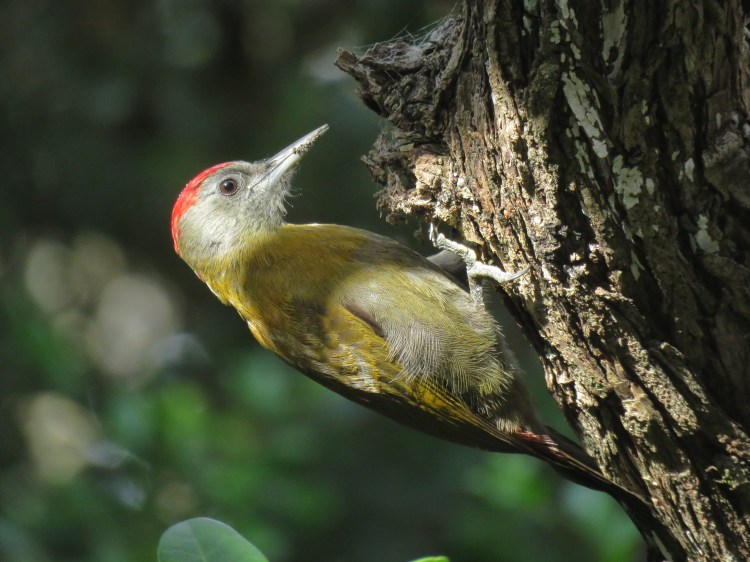
Since I am usually taking photos of birds who I sometimes think move about just to spite me, I tend to have my shutter speed around 1/1000. This lets me get high quality photos even when the subject is moving, as was the case with this hungry Olive Woodpecker. However, your shutter speed also affects how much light gets into your shot. When shooting in lower light conditions, lower your shutter speed to get the brightness right. This may affect your camera’s ability to get a clear photo of a moving subject, but with some practice, you’ll soon be able to make these adjustments fairly intuitively.
5) Remember composition
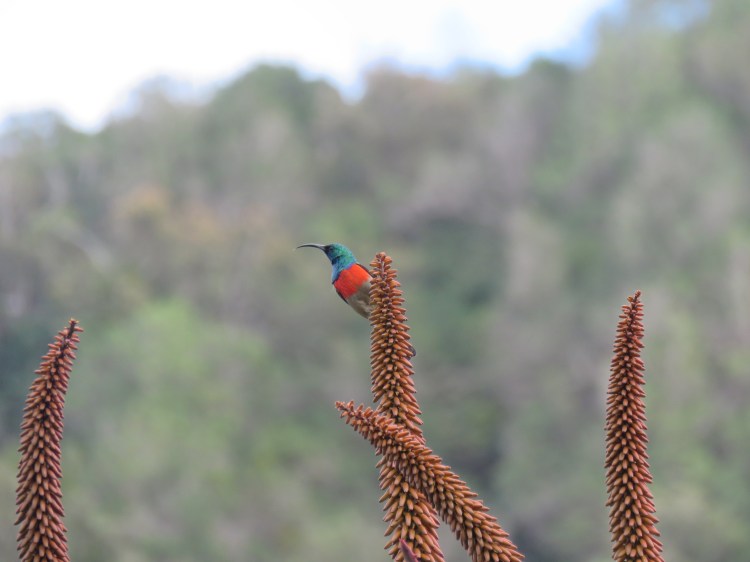
Although the subject of your photo is often beautiful by itself, framing, lighting, and setting are all equally important to a great photo. In this photo of a sunbird, the long aloe flower stalks take up more space than the actual bird. The stalks allow the viewer’s eye to be pulled to the intended subject, who is framed neatly by the vegetation. Not only does this make the photo aesthetically pleasing, but also adds context and a story. It’s also important to note that wildlife photography doesn’t need to be National Geographic-level closeups; sometimes a wide shot can be just as interesting.

6) Be curious
Wildlife photography encompasses all wildlife, not just the “charismatic” ones! Take photos of whatever you find beautiful, whether it’s a bear, bird, or bug. Don’t be afraid to experiment with subjects you aren’t necessarily familiar with; you can always find out more about them later.
7) Find places to practice
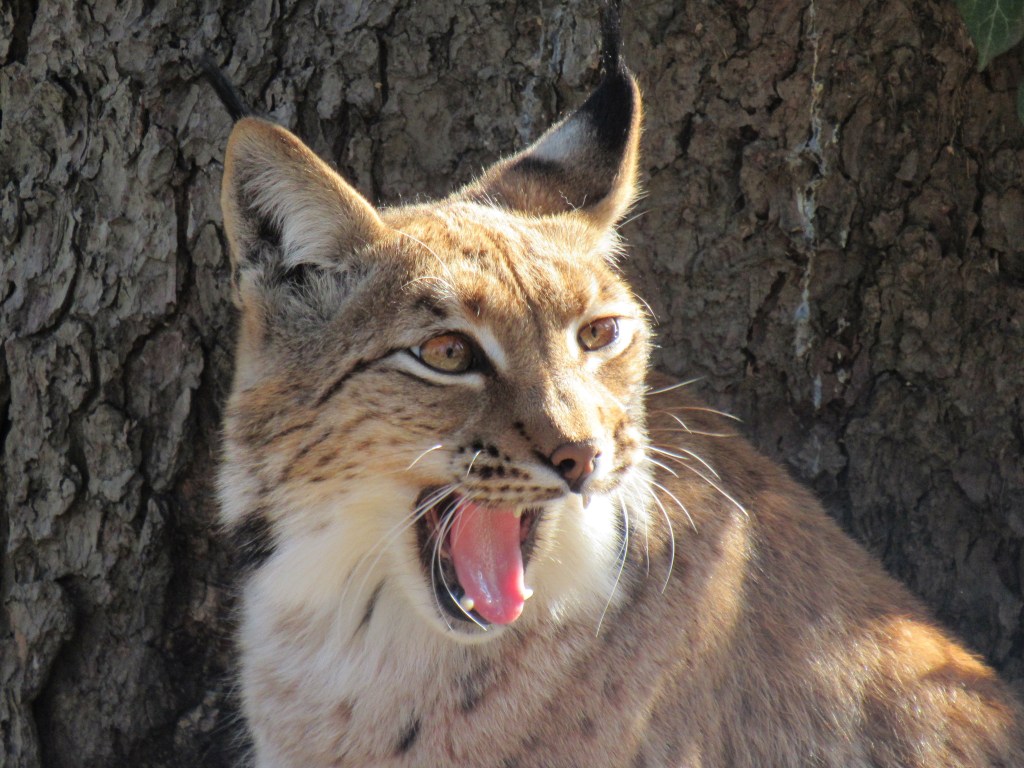
Zoos are amazing places to hone your skills! Whether you’re working on understanding your camera settings or not used to how animals move, zoos allow you to take photos in a much less “high stakes” environment. In general, zoos allow you to get much closer to animals than you would in the wild and also give you a wide range of subjects to work with. Don’t forget to tag the zoo in your social media posts; it isn’t cool to pretend you got those shots in the wild!

8) Stay respectful
Too often, clashes between humans and wildlife can harm one or both parties. Always stay at a respectful distance from your subjects and let them come to you, when applicable. Take note of the body language of your subjects and be ready to back off if they begin to look agitated or afraid. Also be aware of the situation you’re getting into; for example, if you are shooting a mother with young, you will need to allow more distance than normal and back off immediately if the mother begins to look agitated. For more information on how to safely keep your distance from wildlife, check out National Geographic or the National Parks websites.
Knowing more about Aurora Hood:
“I got into wildlife photography simply because of my love for nature. I love photography because it allows me to capture the amazing moments I experience while out in nature and share them with others. As an ecologist, wildlife photography also lets me share the importance of nature with the general population; I always hope that maybe one of my photos will help convince someone to go outside and connect with the outdoors in a way that they might not have otherwise.”
 Hannah Matt