
Pets are some of the most important members of the family. They are also very photogenic subjects for photography, but can be difficult to capture. Below are some tips on how to get the best picture of your pet, no matter their size.

Minimize distractions
Less distractions will help keep your pet’s focus on you. So if there’s a lot of people and noise, it might be best to move to a different location. If a setting is quiet, a sudden noise from you might get them to make a more interesting reaction.

Use treats
Dogs love treats (who doesn’t?) and so having a few on hand will help you get their attention. Toys also work well; there are even some dog squeaky toy apps out there that will help you to get your pet to look! Cats respond better to motion than they do to sounds, so keep some string handy.
Assistant help
If you have another person there to help you, that will minimize the multi-tasking required. It’s still possible without an assistant, but just easier with another person. For dogs, it might help to keep them on a leash if they try to run away from your site. Or you can always chase after them for some movement shots.

No on-camera flash
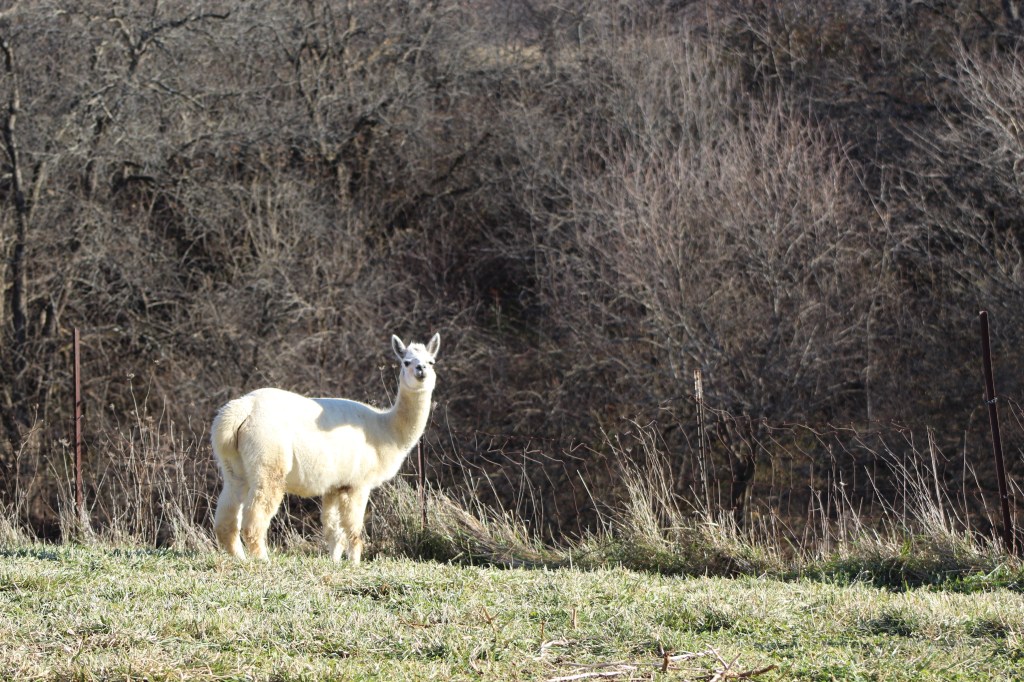
Highlighted in my last post, Creating a Mood, using the on-camera flash makes the photo look unnatural. This could also agitate the animals and put glare in their eyes. If you’re using an off-camera flash, consider pointing it up towards a ceiling to bounce the light for a softer look. Try to utilize natural light as much as you can!

Be patient
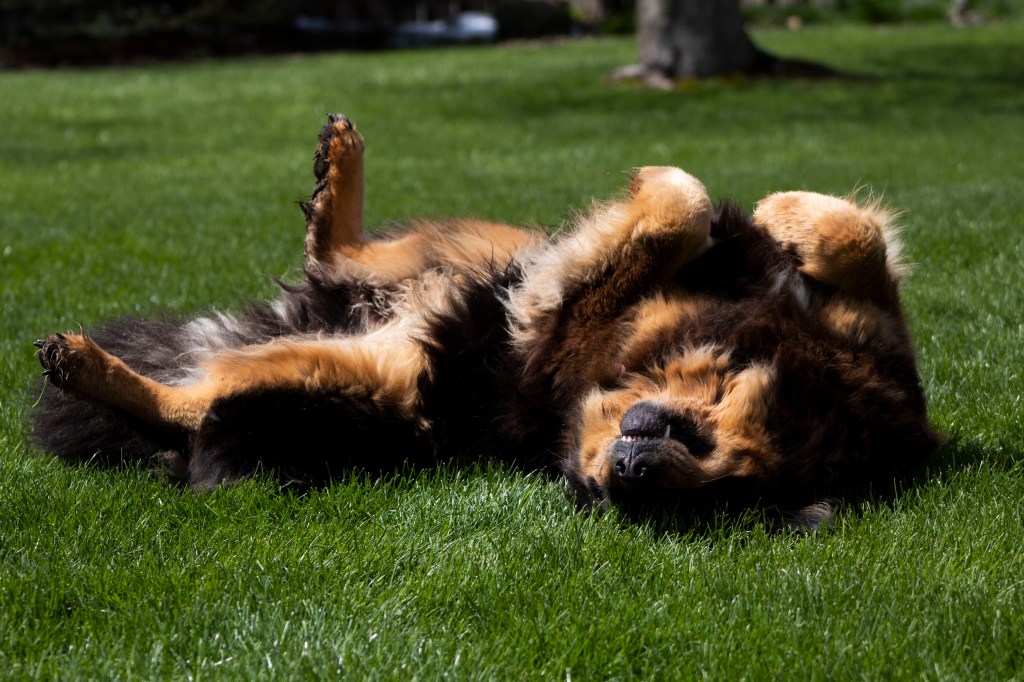
The most important factor in doing pet photography is to be patient. Your animals might be alarmed about the camera at first, so waiting until they’ve settled down will help your shooting. If your pets are quirky, just wait until they start doing their usual habits to capture that personality. I like to follow my pets around and wait and see what they do.
Keep eyes in focus
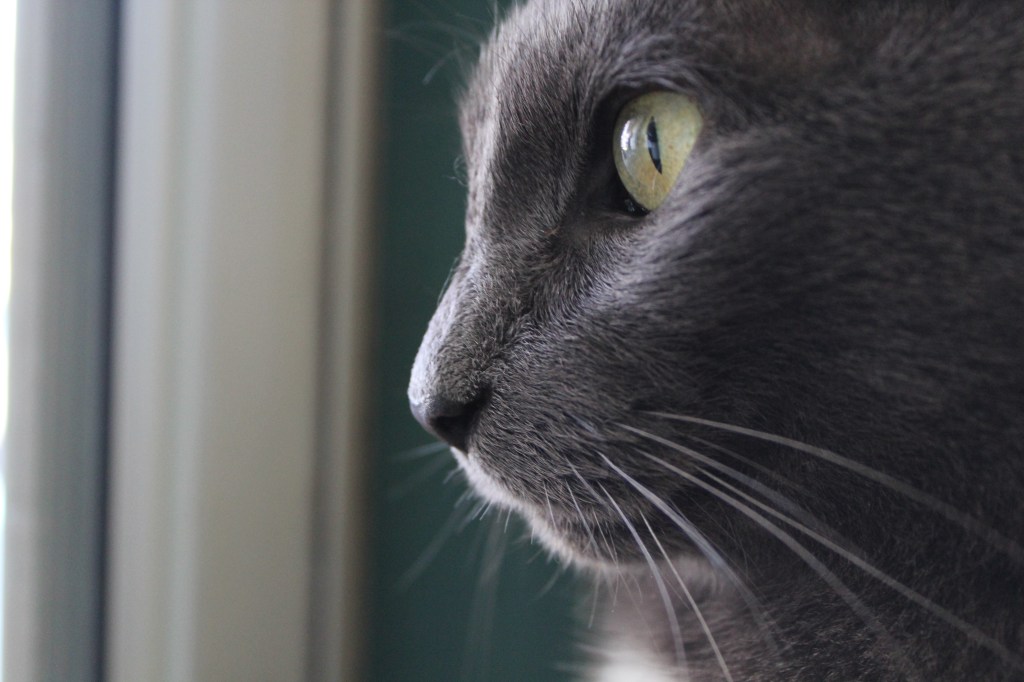
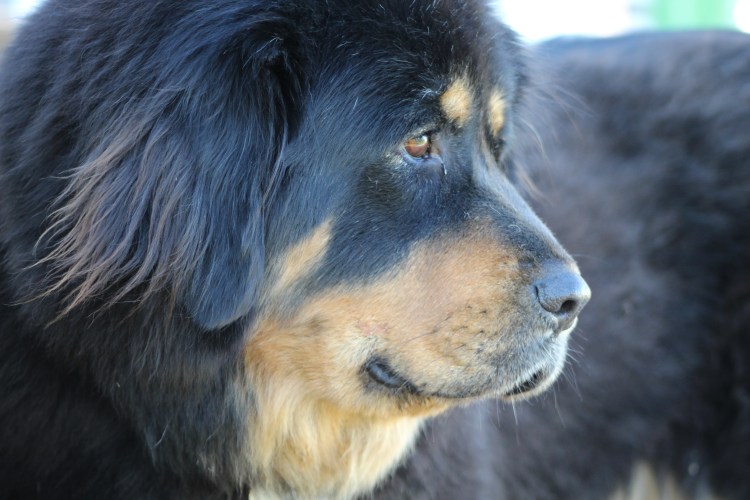
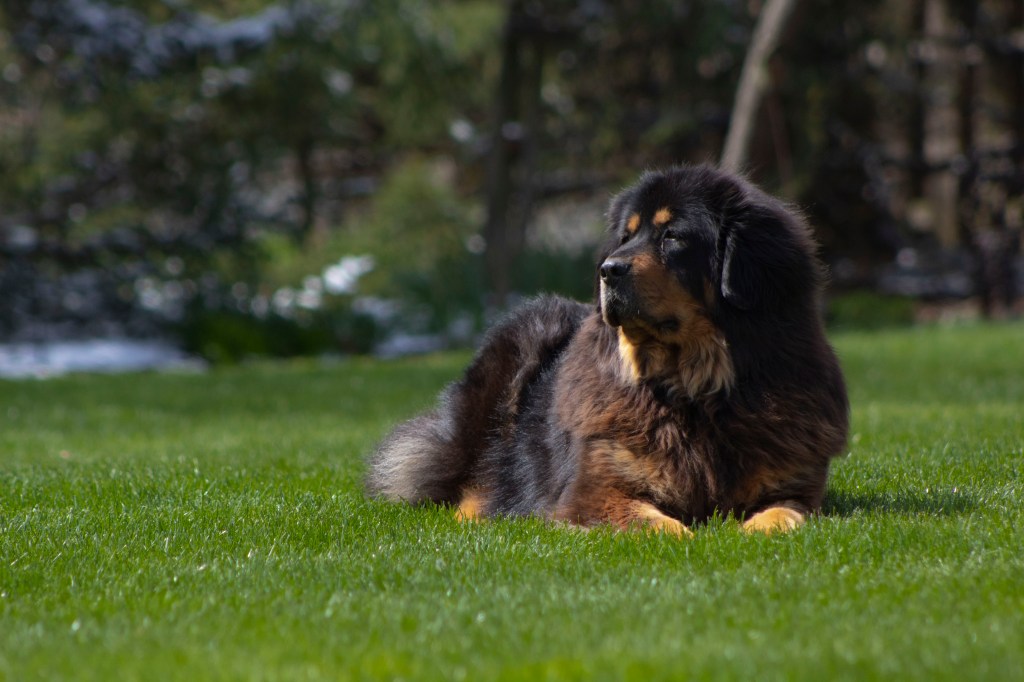
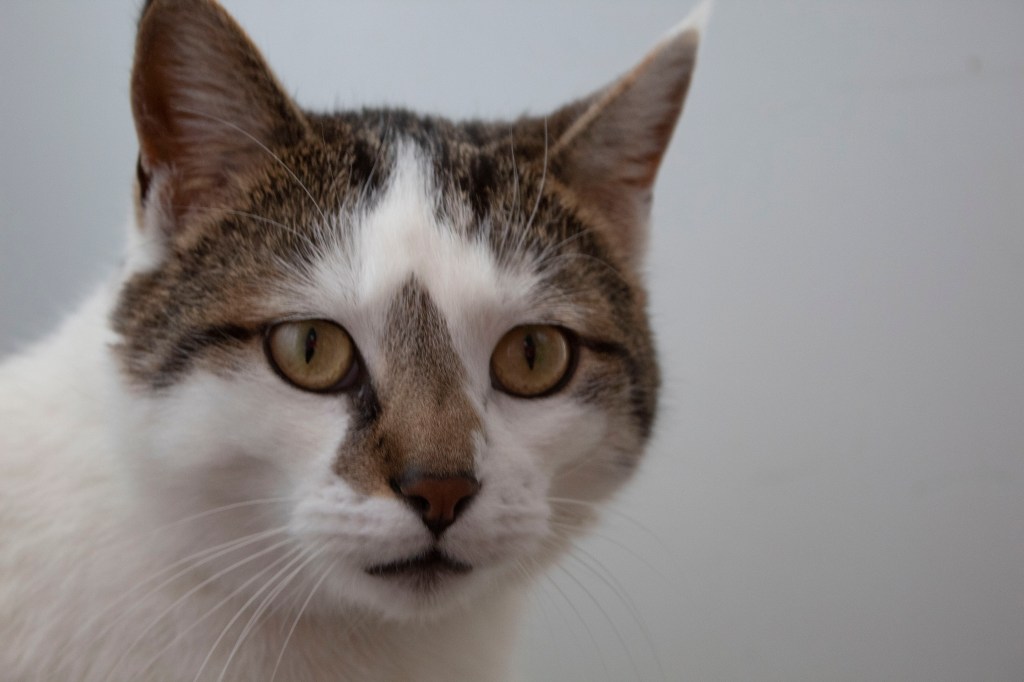
Eyes are a must in pet photography, as it speaks to the viewer without words. By getting down to your pet’s level, it’s easy to focus on the eyes and make it seem like they’re right in front of you. Your camera’s automatic focus will focus on what is closest to the camera, (the nose), and so it’s best to change your focus to manual or ‘single point’
 Hannah Matt